I spend much of my clinic day looking at feet that have been shaped more by shoes than by anatomy. Sometimes that’s subtle, like a stiff big toe that limits running speed. Sometimes it’s dramatic, like a bunion that pushes the forefoot against the inside of a shoe and triggers nerve pain with every step. The right footwear will not fix every problem, but it can prevent a surprising number of them. Selecting shoes well is one of the most practical habits for long‑term mobility, whether you are Rahway foot and ankle doctor a competitive athlete, a teacher on your feet, or a grandparent chasing toddlers across a lawn.
This guide reflects years of experience as a foot and ankle physician seeing what helps and what harms. It draws from gait analysis, biomechanics research, post‑operative protocols, and the lived patterns of patients who move without pain into their seventh and eighth decades. Shoes are tools. The goal is to understand which tool you need for the job your life demands.
How shoes interact with your anatomy
Each step transfers two to three times your body weight through the foot and ankle. Run up stairs and that load spikes higher. The foot has 26 bones, numerous joints, and a web of ligaments and tendons designed to absorb, store, and release energy. The ankle and subtalar joints guide motion in multiple planes, and the big toe, or first metatarsophalangeal joint, needs about 60 to 65 degrees of extension to push off efficiently.
Shoes can either accommodate or resist these natural motions. Cushioning influences how quickly the ground reaction force is delivered. Heel‑to‑toe drop, the height difference between the heel and forefoot, affects calf and Achilles tendon demand. Midsole density and geometry either stabilize the arch and rearfoot or allow more freedom. A stiff forefoot rocker can reduce pressure under the ball of the foot and help arthritic toes move with less pain. On the other hand, a narrow toe box can corral the forefoot and promote bunions, hammertoes, and interdigital neuromas over years.
As a foot and ankle biomechanics specialist, I look at four alignment checkpoints when evaluating footwear: hindfoot position, midfoot support, forefoot width and depth, and toe‑off mechanics. If a shoe gets those right for your foot, many aches never start.
Fit first: simple, specific, and non‑negotiable
Perfect materials mean little if the fit is wrong. I ask patients to start with half a thumbnail of length beyond the longest toe. That usually translates to 8 to 12 millimeters, enough to accommodate forward translation during walking and running. Fit at the end of the day when your feet are slightly swollen, and try on both shoes. We are not symmetrical, and small differences matter.
Width and volume deserve as much attention as length. Many brands quietly offer multiple widths. A D or medium width works for some, but a wide or extra‑wide option prevents friction and callus build‑up for patients with bunions or tailor’s bunions. High insteps need more vamp volume. A shoe that feels fine for five minutes may hot‑spot after an hour. Walk the store. If your toes tingle or your forefoot burns, pass.
The heel counter should feel like a firm handshake around the back of the foot, not a vice. Slide your index finger between your heel and the shoe. If the finger slips without resistance, expect heel slippage and blisters. Lace configuration matters more than most people think. A runner’s loop can secure the heel in many models without overtightening the midfoot. Small adjustments upstream often solve downstream problems.
Cushioning, stability, and the myth of one right answer
Patients often ask for the “best” shoe. There is no single best shoe, only a best match for your foot and your activity. Cushioning reduces peak impact rates but increases energy expenditure at push‑off. Stability features reduce frontal plane motion, yet overly rigid platforms can irritate knees and hips in flexible people. The right balance depends on your structure and training.
For a neutral, flexible foot that collapses easily under load, a moderate stability shoe with a slightly firmer medial midsole can reduce fatigue on long days. For a naturally rigid, high‑arched foot, a cushioned neutral shoe helps disperse impact and lowers stress fractures risk in the metatarsals. If you are recovering from a plantar fascia flare, a shoe with a mild forefoot rocker and a 6 to 10 millimeter drop often feels kinder during the first steps of the morning. If your Achilles tendon is recovering, a temporary increase in heel‑to‑toe drop can offload the tendon by a measurable percentage. I generally taper that drop back down over 4 to 8 weeks.
Maximalist cushioning has value, especially for heavier runners, patients with arthritic joints, or those working on concrete floors for long shifts. Yet, not every foot tolerates tall, soft platforms. Some people increase their step width unconsciously on these shoes, and others feel unstable on uneven ground. The opposite extreme, very minimal shoes, can be useful training tools for foot strength when used deliberately and sparingly. I have helped distance runners blend one short, easy session per week in a lower‑stack shoe to stimulate intrinsic foot muscles, while keeping long runs in a more protective model. That kind of mixing reduces injury risk during transitions.
Toe box geometry: what the forefoot will thank you for
The forefoot needs room to splay. When you push off, the metatarsal heads spread slightly and the toes should extend without rubbing the upper. Pointed or tapered toe boxes press the big toe laterally and encourage bunion formation over years. They also aggravate Morton’s neuroma by compressing the nerve between the third and fourth metatarsal heads.
A round or anatomical toe box prevents many issues I see as a foot and ankle pain doctor. If you have hammertoes, look for extra depth. If you use custom orthoses, you may need half a size up or a shoe with removable insoles to maintain adequate volume. I advise patients to pull the insole out and stand on it. If your foot spills over the edges, the shoe is too narrow for you regardless of the stated width.
Outsole and traction: safety underfoot
In clinic, ankle sprains often start with traction mismatch. A sole that grips like glue on clean concrete can slide unpredictably on wet tile or grass. The best outsole pattern for you depends on environment. Indoor service workers benefit from siped rubber compounds rated for slip resistance. Trail runners and hikers need lugs that shed mud and grip rocks without catching on roots. People who live where winters are icy should keep a dedicated pair with a softer rubber compound or add microspikes when sidewalks freeze. As a foot and ankle trauma care specialist, I would rather see you swap footwear for the season than see you after a fall.
Work shoes, dress shoes, and uniforms: compromises that protect you
Not all workplaces allow athletic shoes. That does not mean your feet must suffer. In dress shoes, prioritize width and forefoot depth. Many classic styles come in multiple widths if you ask. A slight heel, around 1 to 1.5 inches for women and a small stacked heel for men, can actually help if you have tight calves or Achilles tendinopathy, but avoid narrow pointed toes. Leather uppers soften with wear, but they do not magically grow wider than the last. If your pinky toe rubs on day one, it will rub worse in a month.
For safety boots, look for composite toe caps to reduce weight and consider models with rocker soles if your job involves miles of walking. If you climb ladders, prioritize a defined shank and midfoot rigidity. Hospital staff and teachers should look for shoes with durable midsoles that resist bottoming out after 300 to 400 miles of walking, which some people accumulate in a few months. As a foot and ankle healthcare provider, I regularly see plantar fascia flares when midsoles collapse without visible wear on the upper. When in doubt, track your steps for a week and extrapolate. Replace shoes when cushioning no longer rebounds or the midsole folds easily.
Special cases I see every week
Not every foot follows the template. Certain conditions significantly change the footwear equation. The categories below reflect patterns that matter.
Plantar fasciitis and heel pain. A slightly stiffer shoe with a gentle rocker and adequate heel‑to‑toe drop often reduces morning pain. Avoid flat, flexible shoes during a flare. I sometimes add a temporary heel lift for two to three weeks along with a structured stretching program. Sandals with contoured footbeds can be surprisingly helpful at home if they support the arch and cup the heel.
Hallux rigidus, big toe arthritis. Forefoot rocker geometry is critical. Look for a shoe that bends at the metatarsal heads and rolls you forward without forcing the big toe to extend. Stiff carbon‑fiber inserts can make a regular shoe function like a rocker, and many patients feel instant relief during push‑off. A foot and ankle arthritis specialist often pairs this with anti‑inflammatory strategies and, in some cases, injections.
Bunions and hammertoes. Roomy, high‑volume toe boxes prevent pressure. Stretchable knit uppers can reduce friction over bony prominences, but ensure the base of the shoe remains stable. Heavy bunions that cause crossover toes may need evaluation by a foot and ankle bunion surgeon if pain persists despite footwear changes. Shoes alone won’t reverse deformity, but they can slow progression.
Diabetes and neuropathy. Friction and pressure can produce ulcers where sensation is reduced. Shoes should have smooth interiors, no seams over common high‑risk zones, and enough depth for custom insoles. A foot and ankle diabetic foot specialist will often prescribe extra depth shoes and accommodative inserts after measuring pressure points. This is not a place to experiment with trendy minimal footwear.
Tendinopathies. Posterior tibial tendon problems, a common cause of adult acquired flatfoot, respond well to shoes with medial support and a stable heel counter. Peroneal tendon issues on the outside of the ankle are often aggravated by high lateral flare outsoles that catch on uneven ground. Achilles tendinopathy may benefit from a modestly higher drop temporarily. A foot and ankle tendon specialist can guide return‑to‑running timelines and progressive loading.
Arthritis across the midfoot or ankle. Rocker soles reduce bending forces and shear. People with ankle arthritis often prefer cushioned shoes that roll forward easily. If instability feels worse with soft foam, shift toward firmer rockers. A foot and ankle orthopedic surgeon may discuss bracing options when shoes alone are not enough.
Cavus feet and stress fractures. High arches concentrate load under the heel and forefoot. Cushioning and mild flexibility help distribute force. If you’ve had a metatarsal stress fracture, avoid overly stiff forefoot platforms during your return. I often recommend a two‑shoe rotation with different cushioning profiles to vary stress patterns day to day.
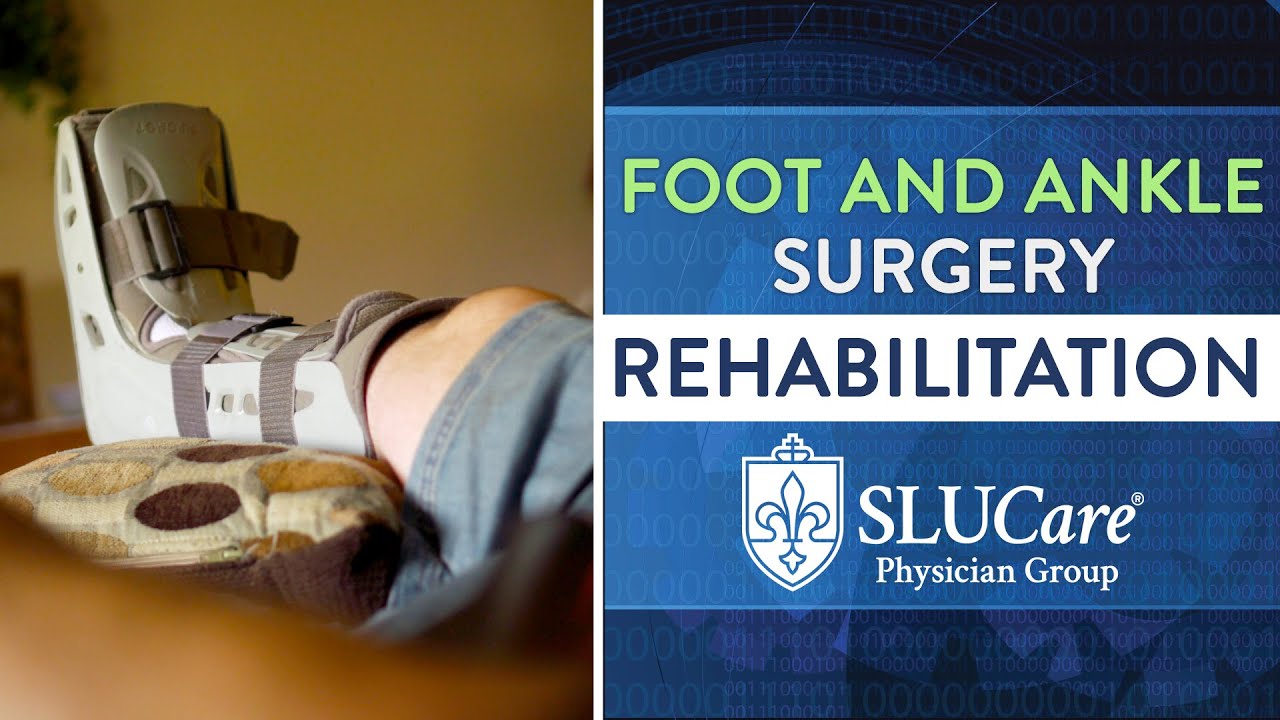
Post‑operative recovery. After procedures like bunion correction, hammertoe repair, or tendon reconstruction, footwear progression matters. A foot and ankle surgical specialist typically advances patients from a post‑op shoe to a stiff‑soled sneaker, then to more flexible shoes over weeks to months. Transition too fast and swelling and pain increase. Your surgeon’s protocol reflects the mechanics of your specific repair.
How to test shoes quickly like a clinician
I use a simple bench exam on new shoes brought to clinic. It takes two minutes and reveals the shoe’s personality.
- Heel counter squeeze: pinch the heel cup. It should resist without collapsing. A sloppy heel counter often correlates with heel slip and Achilles irritation. Torsional twist: hold the heel and forefoot and twist in opposite directions. Light resistance is fine. Overly rigid shoes can feel dead underfoot, while overly soft ones allow excess motion in people who need support. Forefoot bend: push the shoe to bend at the forefoot. The crease should align roughly with where your toes bend. If it folds in the midfoot, expect arch fatigue. If it barely bends, you may need that stiffness for arthritis, but it can feel clunky otherwise. Insole removal: check if the insole comes out easily. If you use orthoses from a foot and ankle podiatric physician or an orthotist, removable insoles make life simpler and preserve volume. Step test: walk 20 to 30 paces briskly and turn sharply. Your heel should stay seated, your toes should splay without pressure, and there should be no hot spots.
That is one of only two lists in this article. If stores do not allow extensive walking, buy from retailers with generous return policies and test at home on clean surfaces.
Running shoes, walking shoes, and cross‑training models
Many people ask whether they need a different pair for walking and for running. The answer depends on your volume and surface. Running shoes are designed to handle repetitive, higher‑impact loading with more resilient midsoles. Walkers benefit from similar cushioning if they cover long distances, but they often prefer a less aggressive rocker and a sole that flexes smoothly at toe‑off. Cross‑trainers stabilize side‑to‑side motion for gym work and classes. They are not ideal for long runs, yet they outperform running shoes for lateral movements and landings during agility drills.
Rotating between two pairs with different midsoles can reduce overuse patterns. In my practice, runners who alternate shoe models show fewer Achilles and IT band complaints over a season. The same logic helps nurses or retail workers who stand all day. One pair with a firmer base and another with a bit more cushioning lets tissues share the load differently across the week.
The barefoot and minimalist debate, with nuance
Minimal footwear can strengthen intrinsic foot muscles when introduced cautiously. I have used it in rehab for select patients, starting with short, soft‑surface walks and foot‑strengthening exercises. The risk lies in changing too much too fast. The Achilles, plantar fascia, and metatarsals absorb more stress in low‑drop, low‑cushion shoes. If you switch abruptly, expect soreness at best and injury at worst.
If you are curious, start with bodyweight calf raises, towel curls, and short balance drills on one leg barefoot. Then add five to ten minutes of walking in a flexible shoe on grass or a track twice a week. Increase by 10 to 15 percent per week if there is no pain the next morning. If you have diabetes, severe bunions, neuropathy, or a history of stress fractures, discuss any plan with a foot and ankle medical specialist before experimenting.
Orthoses and insoles: when to add structure
Off‑the‑shelf insoles can tune a shoe’s feel without the cost of custom devices. A firmer arch profile reduces strain for flat, flexible feet and can calm posterior tibial tendon pain. Gel heel cups dampen heel strike for sensitive calcanei. Custom orthoses, prescribed by a foot and ankle podiatry specialist or an orthopedic foot and ankle surgeon, are most helpful when your foot shape or pathology demands precise control or pressure redistribution.
The shoe is the foundation. Orthoses work best inside stable shoes with removable insoles. If the shoe is too soft, the orthosis sinks and loses leverage. If the shoe is too tight, the device adds pressure where you can least afford it. Bring your orthoses to the shoe store and test the combination.
Children, adolescents, and growth phases
Kids’ feet are not small adult feet. Their ligaments are laxer, arches are developing, and growth plates are open. Shoes should be light, flexible, and protective without crowding the toes. Leave a bit more length, closer to a full thumbnail, and check every two to three months during growth spurts. Heavy, stiff shoes can alter gait patterns in younger children, while over‑minimal shoes can aggravate heel pain from calcaneal apophysitis in preteens. A foot and ankle pediatric specialist will often recommend supportive sneakers with modest heel lift for that condition and a gradual return to sport.
In adolescents, rapid growth changes tendon tension. The Achilles and hamstrings tighten relative to bone length, and footwear that modestly reduces calf strain can help with overuse symptoms during a growth spurt. If knee pain or shin splints persist, a foot and ankle sports medicine doctor can assess mechanics and training load.
When pain persists despite good shoes
Footwear is a powerful lever, but it is not a cure‑all. If you have persistent swelling, night pain, deformity that worsens, or pain that limits daily life, seek a targeted evaluation. A foot and ankle pain specialist will differentiate between soft tissue issues, nerve entrapments, stress reactions, and joint problems. Imaging is not always needed, but when it is, it clarifies the plan. Sometimes the answer is a different lacing strategy and calf stretching. Other times it is a period of immobilization, physical therapy, or, less commonly, a surgical solution from a foot and ankle corrective surgeon or foot and ankle reconstruction surgeon.
I see plenty of patients referred after months of trying every insole in the pharmacy aisle. In several, the missing piece was simple: the wrong size or width. In others, the shoe was correct, but the activity ramped too quickly. Good footwear is the base. Load management and tissue capacity must match the demands you place on them.
A practical path to better shoe choices
Most people do not need a closet full of options. Two to three pairs can cover work, exercise, and casual life. Buy intentionally, rotate strategically, and retire shoes before they turn on you.
- Audit your week: note hours on your feet, surfaces, and pain patterns. Choose shoes for the work you actually do, not the ad you like. Fit at day’s end with your typical socks or orthoses. Check toe room, width, and heel hold. Walk until something feels wrong or you feel sure. Test structure: heel counter, torsion, forefoot bend, and insole removal. Match stiffness and drop to your condition and goals. Plan transitions: introduce new models gradually over two weeks. Alternate with your current pair to let tissues adapt. Track mileage and replace on feel as much as on looks. If your legs feel more beaten up on identical walks or runs, your midsoles may be done even if the upper looks fine.
This is the second and final list. Keep it somewhere visible until the steps become instinctive.
Real examples from clinic
A 42‑year‑old teacher with chronic plantar heel pain came in wearing a flexible slip‑on. She stood on waxed tile floors six hours per day. We moved her into a moderately stiff walking shoe with a gentle rocker and a removable insole, added a short‑term heel lift, and taught calf stretches she could do between classes. Within three weeks, her first‑step pain dropped from a 7 to a 2. The shoe change mattered as much as the exercises.
A 58‑year‑old hiker with big toe arthritis could not tolerate long descents. We placed a carbon‑fiber forefoot plate in his existing trail shoe and identified a trail runner with a more pronounced rocker. He finished a 10‑mile ridge walk with less pain than his previous 4‑mile attempts. He later told me he thought his hiking days were over. They were not. The right forefoot mechanics restored his stride.
A 33‑year‑old recreational runner trained for a half marathon while switching cold turkey to a zero‑drop shoe after reading about “natural running.” Two weeks later, he developed Achilles pain and posterior heel swelling. We moved him back to a moderate‑drop trainer, added eccentric loading for the Achilles, and re‑introduced the zero‑drop shoe for short drills on grass two months later. He completed his race pain‑free. The lesson was not to avoid minimal shoes forever, but to respect tissue adaptation timelines.
How a specialist helps if you are stuck
If you have tried thoughtful shoe changes without relief, a foot and ankle medical expert can add precision. A foot and ankle gait specialist can film your stride and show how your hips and knees influence your feet. A foot and ankle nerve specialist can identify tarsal tunnel or Morton’s neuroma when pain patterns do not match plantar fasciitis. A foot and ankle arthritis doctor can differentiate inflammatory flares from mechanical wear. A foot and ankle ligament specialist can test subtle instability that masquerades as tendonitis after old ankle sprains. When conservative care fails, a foot and ankle surgical expert will outline options, from minimally invasive bunion correction to tendon transfer or ligament repair. Surgery is not the first step, but knowing it exists reduces fear, and sometimes the right procedure paired with the right shoe returns you to activities you thought were gone.
Final thoughts from years at the exam table
Your shoes should disappear under you. If you are thinking about your feet all day, something is wrong. Good footwear honors the way your joints want to move, not the way a trend tells them to. It leaves room for your toes, supports your arch if you need it, and partners with your calves and hips rather than fighting them. It adapts to the surfaces you live on and the seasons you move through.
As a foot and ankle care specialist, I would rather you learn how to choose well than rely on any single brand or label. The fundamentals do not change: fit, function, and purpose. Get those right, and most feet carry their owners through long, active lives with far less drama. And if problems arise, a foot and ankle orthopedic doctor, foot and ankle podiatric surgeon, or foot and ankle injury treatment doctor can help you fine‑tune the plan so you can keep moving confidently, one good step at a time.